
Kreyol, Vodou & the Lakou – 2015 Ghetto Biennial

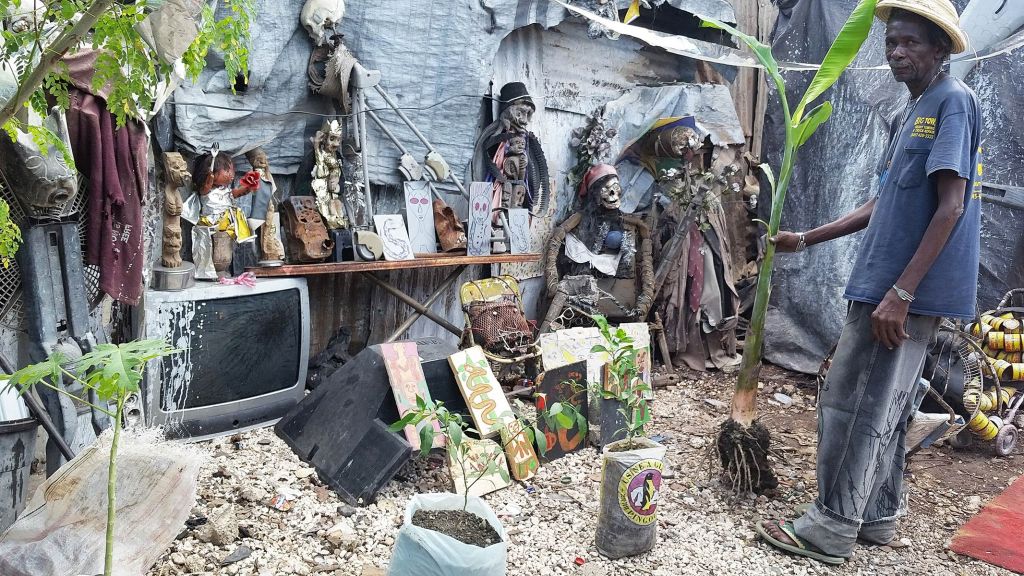
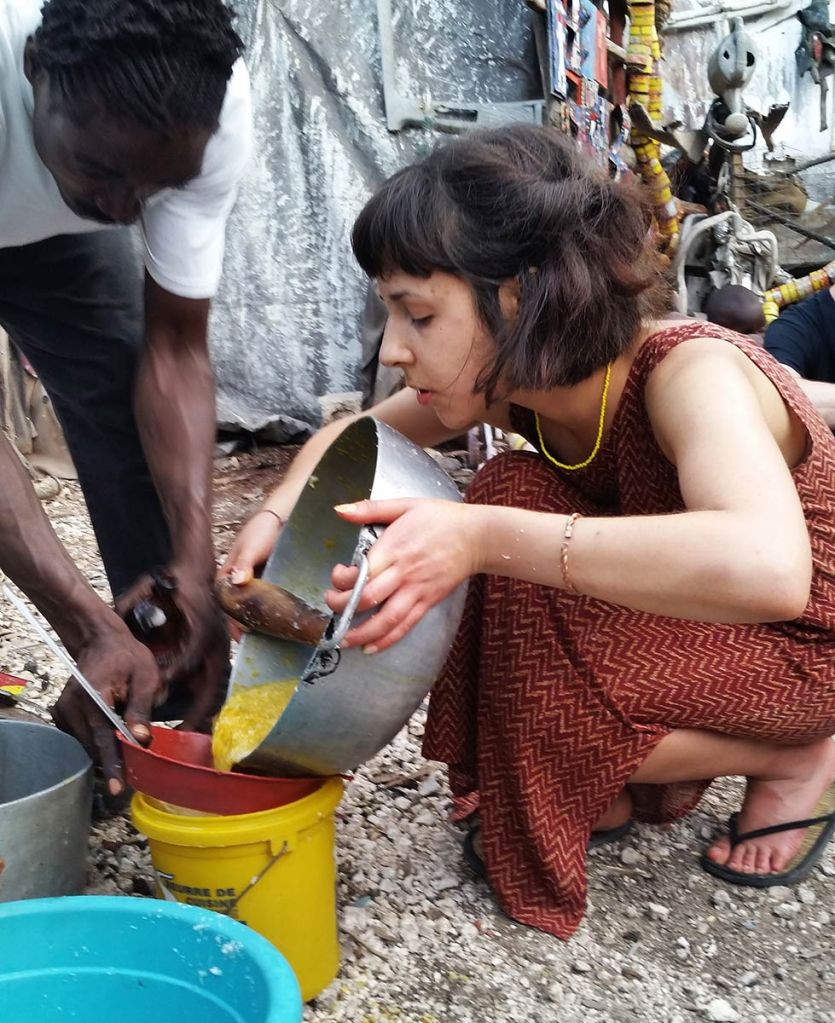
For the 4th Ghetto Biennial, themed KREYÒL, VODOU and the LAKOU : forms of resistance, we started looking closely at plant relationships. We decided to kick off the project with a shared meal of Tchaka, a three-sisters porridge made of crushed corn, beans and heirloom squash traditionally prepared to honor Azaka, the patron of Agriculture. Rose Marie prepared the meal in Lakou Claude with the help of Papouche and Anna Sebastian. During the preparation, a gentle breeze picked up and tossed one of Claude’s sculptures right on top of the covered pot of simmering stew. It was felt this was Azaka’s gesture of acknowledgement for our efforts, offering a joyous start to the collaboration. The shared meal was attended by a well-balanced group of foreign and Haitian artists. It spurred Rossi Jacques Casimir to instigate a spontaneous spoken word performance with several of his Timoun understudies. This gathering opened us to the idea that Claude’s space could be used as a platform for actions and creative engagements as much as an exhibition space for static artworks. There ended up being quite a few artists drawn to this more dynamic practice which bore many fruitful interactions. Claude was ever full of grace in how he welcomed ideas and provided the space both literally and conceptually for us to delve into understanding the extraordinary ecological relationships expressed in Haiti.
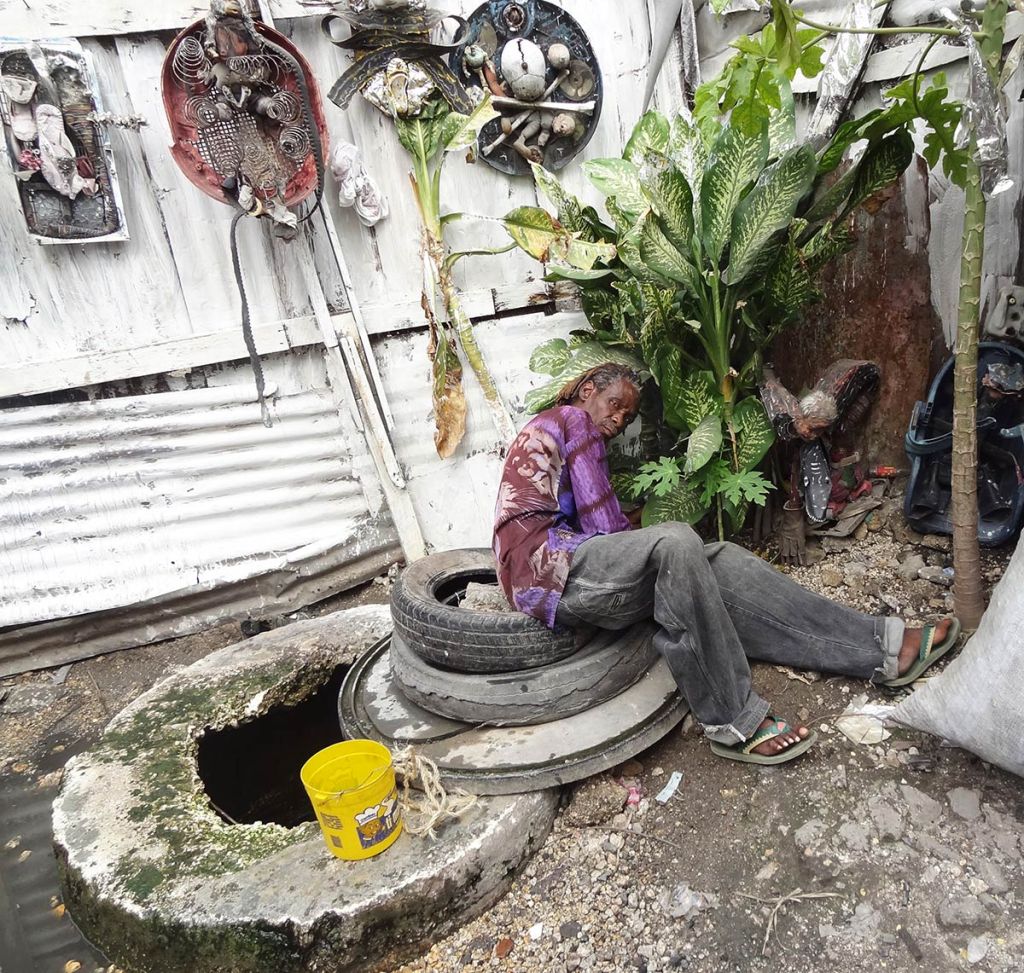
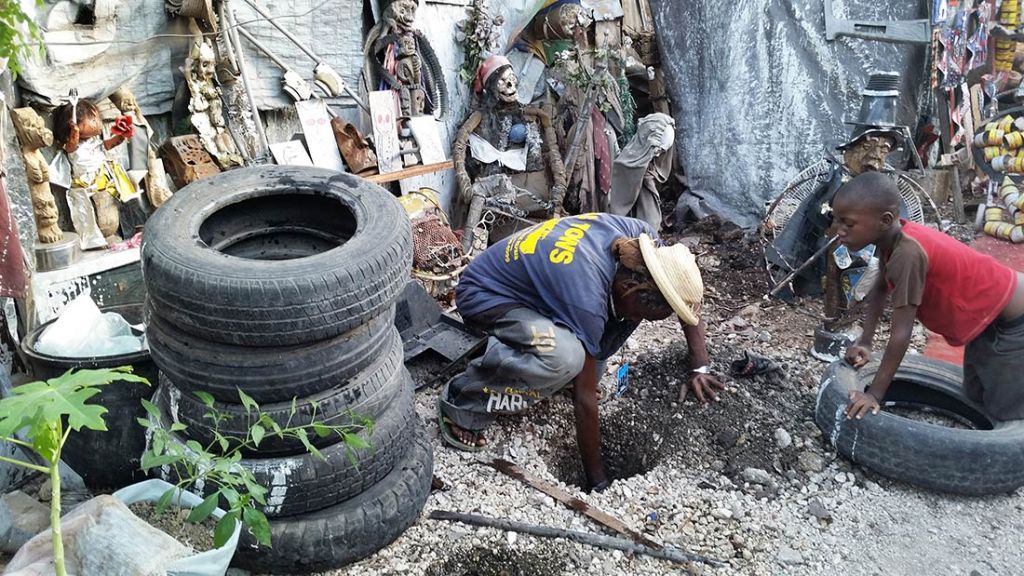
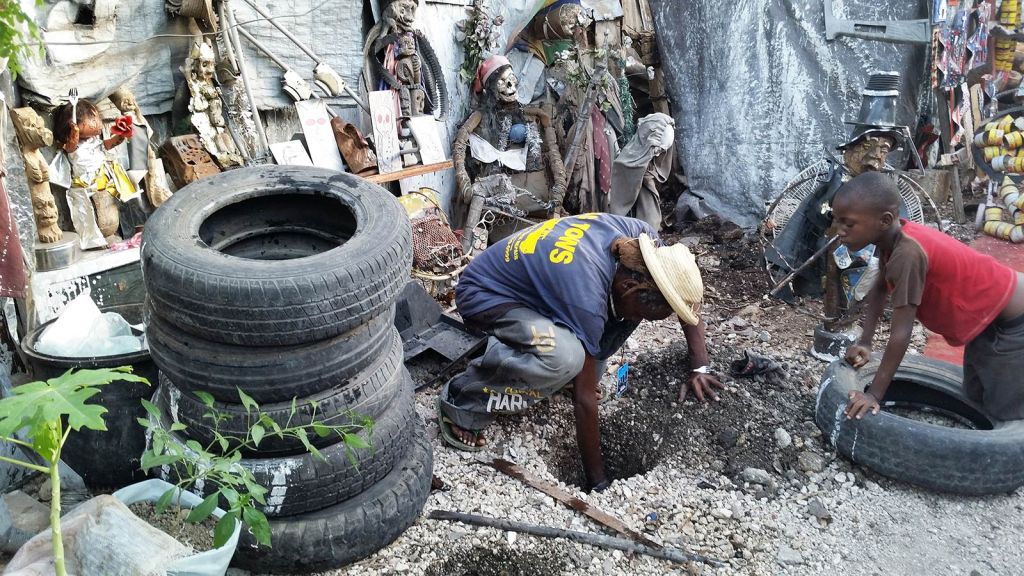
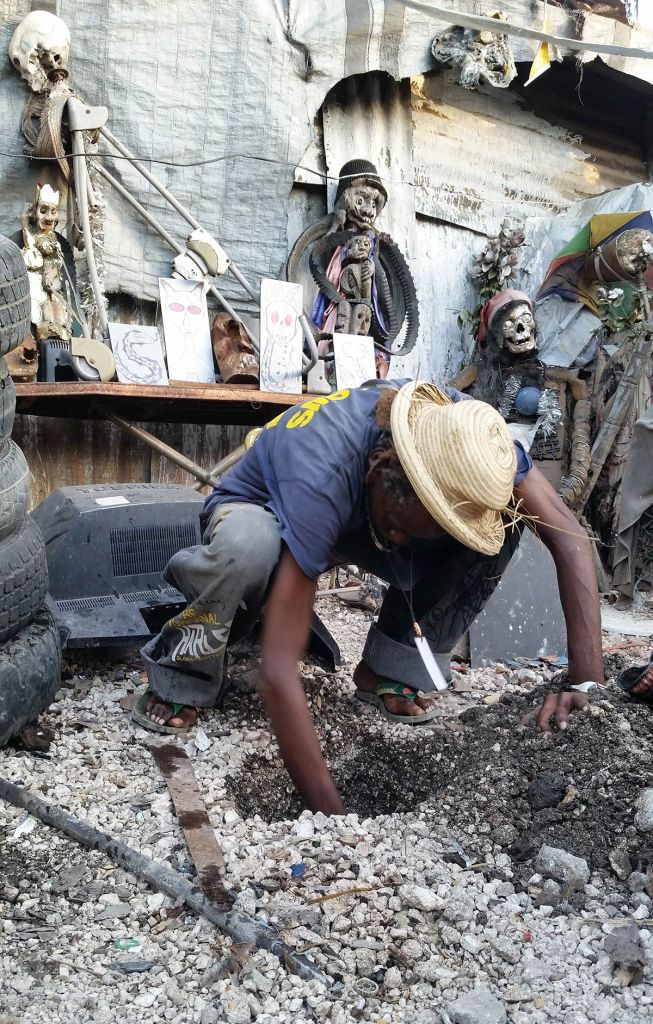
What made Claude a great collaborator is his gentle spirit. He opened space for others to create while quietly guiding the course of how his space operated in the contexts of both an international art biennial and within the folds of his community. We did not share language. My French is mediocre at best and Claude only spoke Creole. However, we both understood plants and how deeply they are intertwined with human wellbeing. Lakou Claude became an incubator as we attempted to cultivate the urban landscape. He stayed put while we ventured out across the region, gathering material that would ultimately be dispersed around the Grand Rue. Claude’s Garden was a place of return; a depository for plants and stories where we could piece together an understanding of urban and human ecologies. He was a water keeper, and his well proved essential during the transition between gathering and dispersing of young trees.
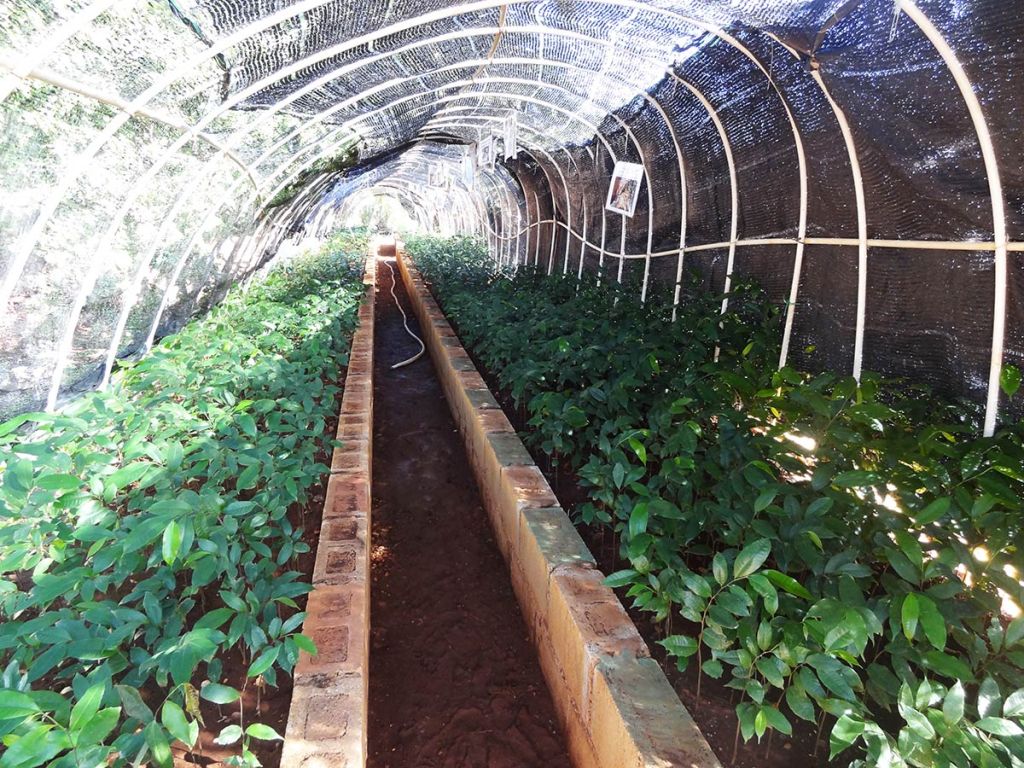
In 2015 we were introduced to SAKALA in Cite Soleil, where we sourced saplings from their nursery. Here we learned about Moringa, a tree that was brought from West Africa by people sewing seeds into the hems of their garments as they were being forced from their homes. Moringa is a nutrient dense supplement for scarce diets and can grow in terrible soils without becoming invasive. The SAKALA nursery was located on a former industrial pad topped with only a few feet of salt-infused soil. Despite the thin nutrients, a canopy of Moringa thrived and protected the produce that was cultivated in raised tire beds below.
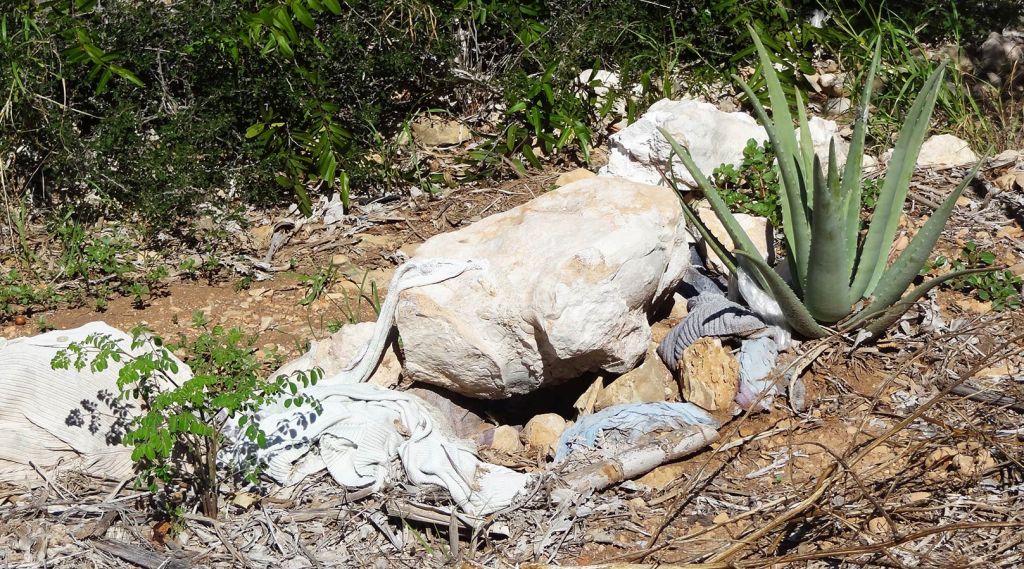
Tagging along with Gina Cunningham, Rossi Jacques Casimir and I tasted the tumultuous sea as we ventured out to visit the Sadhana Forest; a reforestation effort that is actually restoring the southeast corner of Haiti. Landing in a bleak and parched landscape, we were struck at how they were using available materials of stone and cotton pepe (used clothing) to build small indentations in the hillsides to hold water for saplings that were actually growing into a functioning food forest. As the footprint of the small forest grew, the organic material provided by maturing trees started rebuilding and holding soil. Deep roots of hearty native herbs penetrated the stone infused clay to revive the earth with living green mulch. Here we learned about Choco-gout, or Maya nut. An endemic tree that was completely eradicated from the island, we were happy to learn this keystone species is being revived to offer much needed protein. We returned to Claude’s Garden with a dozen trees from their nursery.
Leaning into local lore, we noticed the micro-gardens that were tended in the tight corners around the neighborhood. We learned that the first escaped Africans fled into the rugged mountains where they were received by indigenous Taino, who shared their sacred plant relationships. These same endemic, medicinal plants are tended in small collections of pots perched on wall tops and tucked in tight corners in impressive acts of conservation.
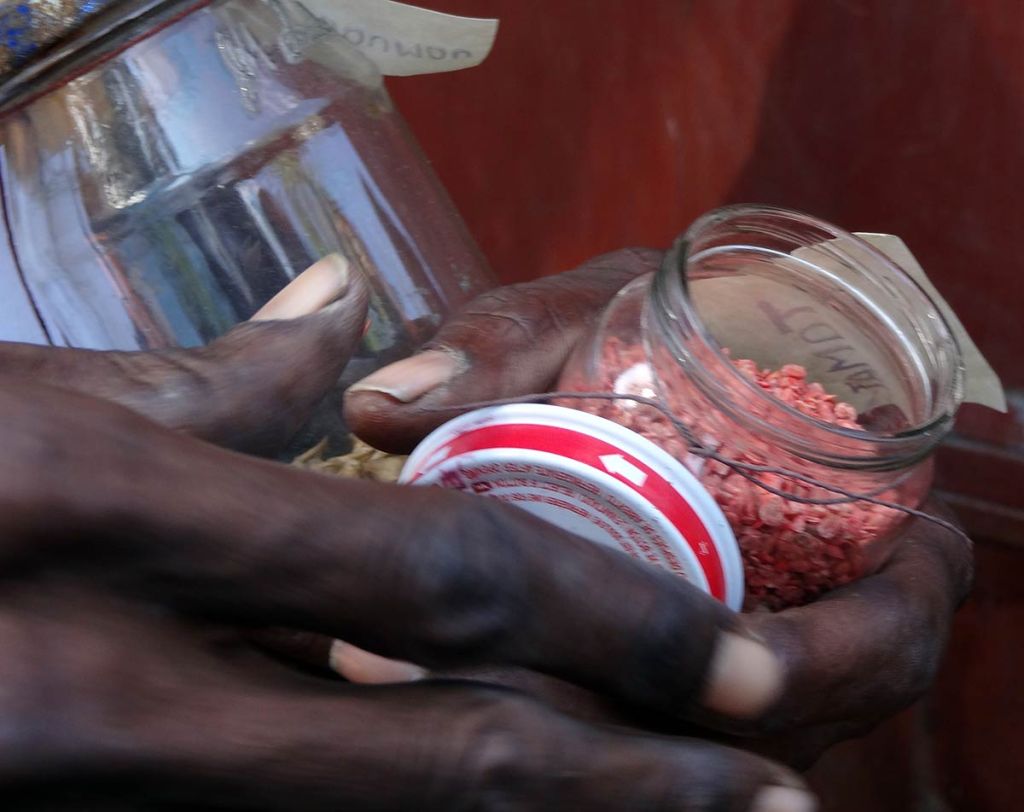
Uncovering sacred relationships with certain plants allowed us to conceive ways to install meaningful work across depleted landscapes. We left the biennial with saplings planted, seeds dispersed and sown in various structures and locations, and Claude as the keeper of a seed library in what would later become his shrine room. We failed a lot. From these failures, we distinguished wishful thinking from reality and ultimately figured out how to install a functioning urban food forest. At six months after my departure, I started receiving photos evidencing the growth of a variety of trees, especially the fast-growing moringa. The vine layer was comprised of heirloom joumou squash grown from seeds saved during our preparation of Tchaka; the large leaves double as a green insulation that cools interiors below corrugated tin rooftops while growing robust fruit. Together with the flora layer consisting of the endemic medicinal plants already being cultivated in the neighborhood, we had a complete food forest. We learned that in order for plants to thrive in this particular urban environment, they needed a small footprint. The plants that thrived held significance to those tending them, which is an essential component of successful restoration.






 VOICES