
Re-wilding the gardens with native seeds & suppressing aggressive grasses on the hill
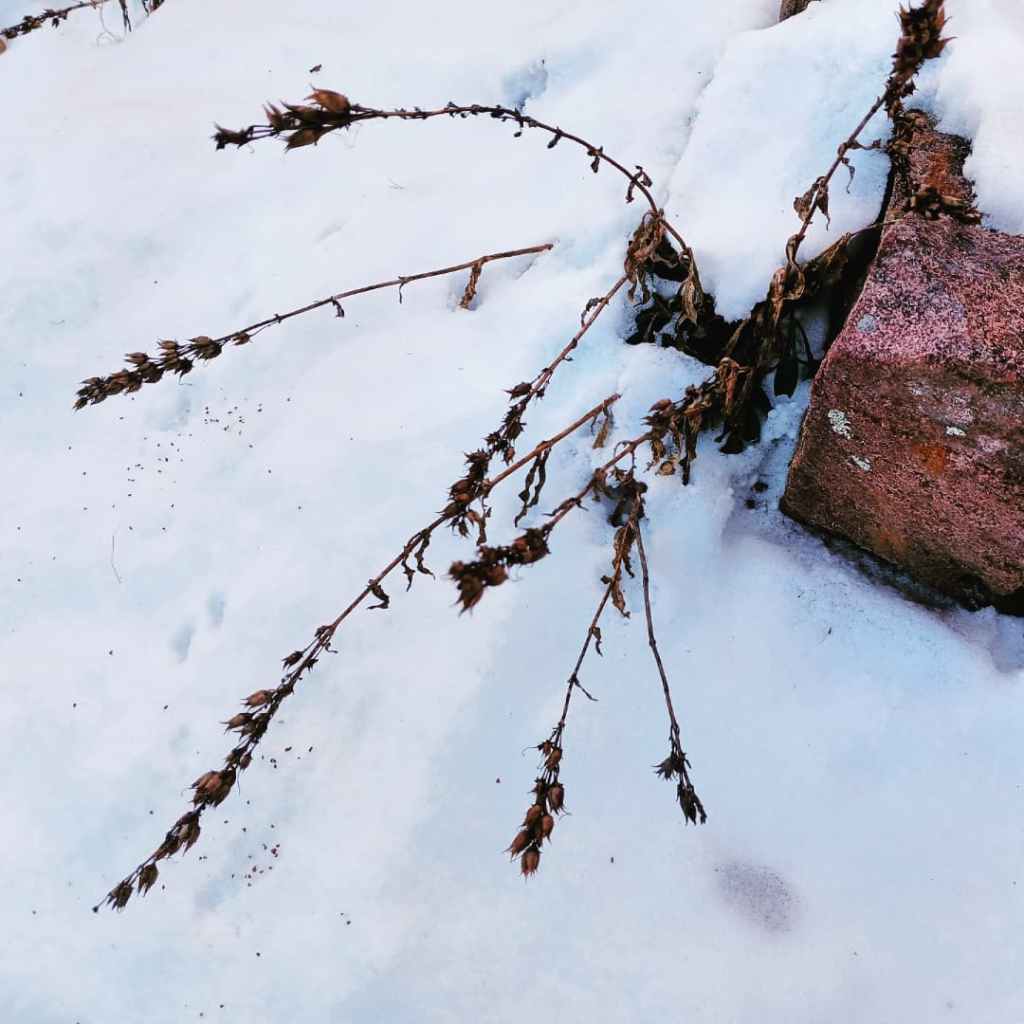
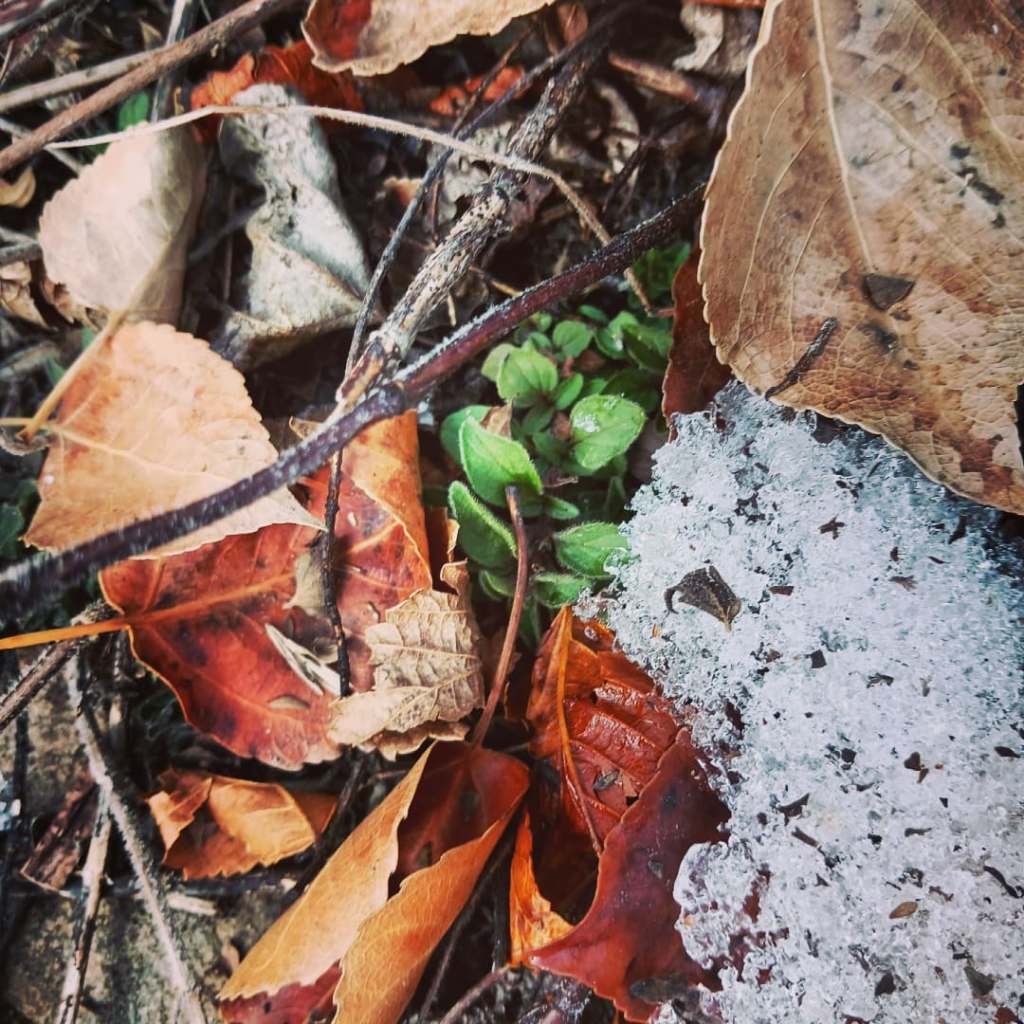
There is a surprising amount going on in the garden during December in the southern Rocky Mountain Steppe. Nestled under New Mexico’s highest peaks, we see lots of sun, waves of snow and sometimes some rain. By now the ground is frozen, but there are still piles of materials that can be moved about. There are green leaves of fresh herbs still harvesting sunlight, often tucked beneath the snow or light leaf litter. Evidence of which plants persist and allow for identification of the plants that are thriving now so that we can work to suppress ones considered ‘weeds’ to allow more room for the valuable ones to thrive. We deem value by looking at how well they provide food and shelter for local pollinators and other wildlife. Despite the distance, there are ways to sweep through gardens that are in the process of being restored with just a handful of visits per year.
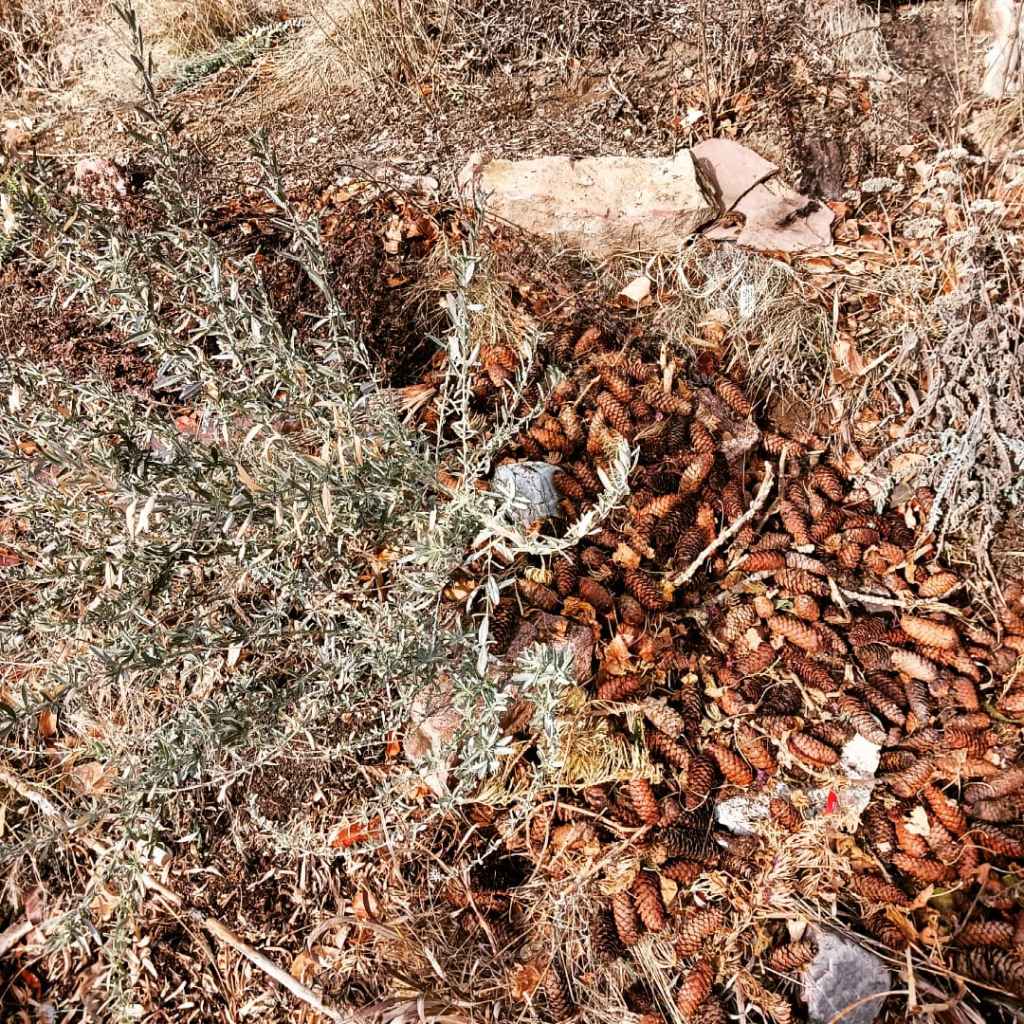
Remembering that native plants belong in the landscape and will burst forth once established, we work to increase available ground for their seeds to scatter and germinate. Because we are near the bottom of the valley, pasture grasses are the most aggressive ‘weed’ that we work to remove. It’s hard to dig these hearty grasses out any time, but in December it is impossible with the frozen ground. We have found that smothering foreign grasses like these is the most effective way to inhibit their growth. Cardboard is very effective and a great way to re-purpose a material that will disintegrate into the soil after its work is done. It needs to be weighted down and obscured to look nice in the garden. This season we found a pile of old stone tile and a big box of pine cones, which we used to cover the cardboard we used to skirt around several well established plants that were being overtaken by the aggressive foreign grasses.
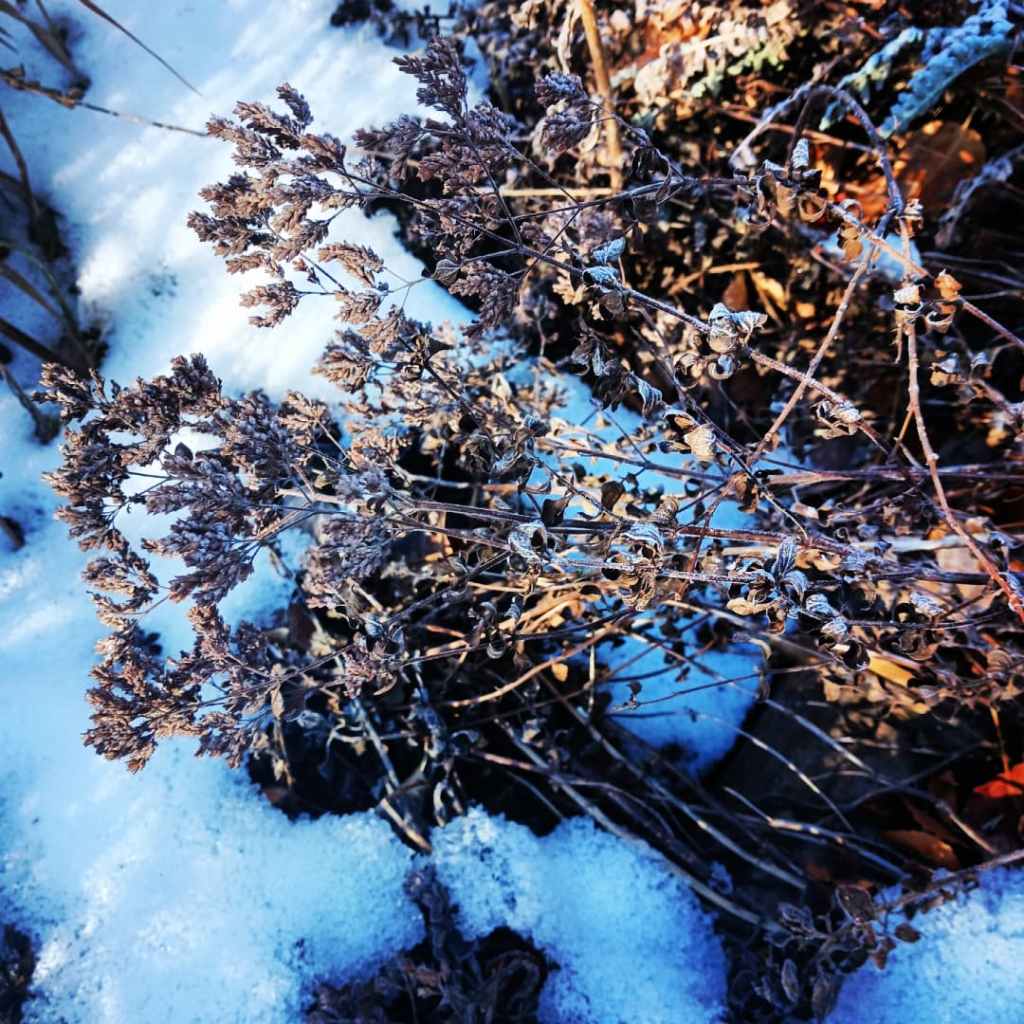
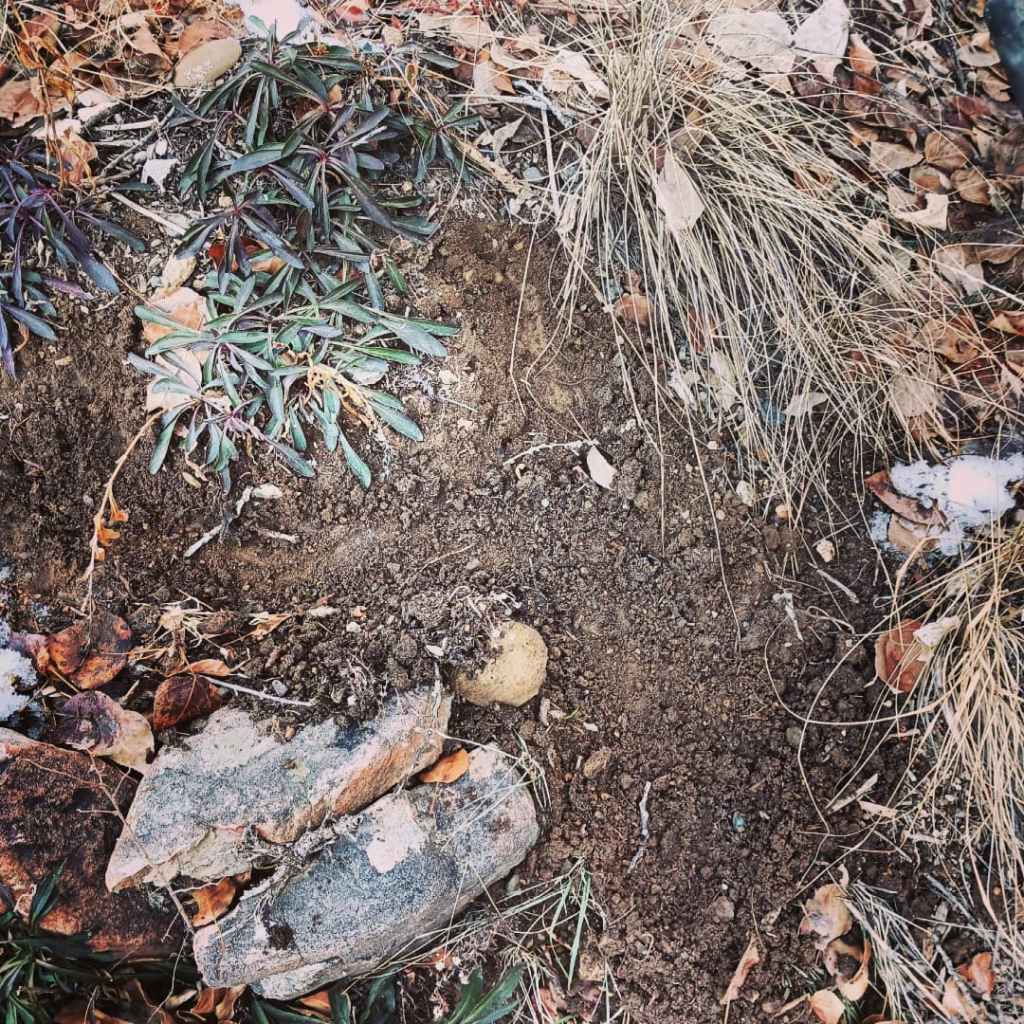
Taking note of where bare ground was prominent, we sowed seeds from dry-loving native plants in the gaps between the plants that cover the hill despite the low-level tending that maintains the space. We also removed any offensive seedheads of weeds that inevitable move in and take over. The garden will rest for the remainder of the winter and with luck, a swath of new seeds will germinate in the spring. The best way of encouraging the germination of seeds we broadcast in the winter is by making sure they get water once a week. If it doesn’t precipitate, then watering them encourages their establishment.

obscure the cardboard that is smothering the aggressive pasture grasses,
skirting the sage that was being overtaken. The stones also keep moisture in the ground.

 VOICES