
how a garden can revive a community center
When the Quilters of Gees Bend visited Denver as part of the touring exhibition of their masterpieces at the Denver Art Museum, Grace Stiles made sure to host the artists properly with Southern Tea on a beautiful spring afternoon in 2008. In contrast to the formal presentation within the institution housing their artworks, the warm exchange with friends and supporters at the Stiles Center expressed such admiration for the stories out of which the quilts were created. In return, Grace felt honored by the quilters expressing deep gratitude for the stories she was weaving together within the walls of the old Five Points Victorian she had restored, and the traditions being maintained through engagements at the center. The heartfelt praises sung out in the courtyard still reverberate through the Stiles Center today.

Stiles African American Heritage Center in 2008. Photo by Lee Lee
Grace founded the Stiles African American Heritage Cener in the historically Black neighborhood bordering the north edge of downtown after teaching in the Denver Public School system for over four decades. Her passion was inspiring knowledge of African American contributions to American History because she saw huge gaps in school curricula. In the 1990s, she bought a boarded up old house right at the 5-point intersection of 26th & Glenarm Place. For years, she lovingly restored the structure, all the while hosting school groups, producing historical reenactments, establishing the Madam CJ Walker park, celebrating Juneteenth & guiding Kwanzaa celebrations. She became a pillar of the neighborhood and won National recognition for her efforts.
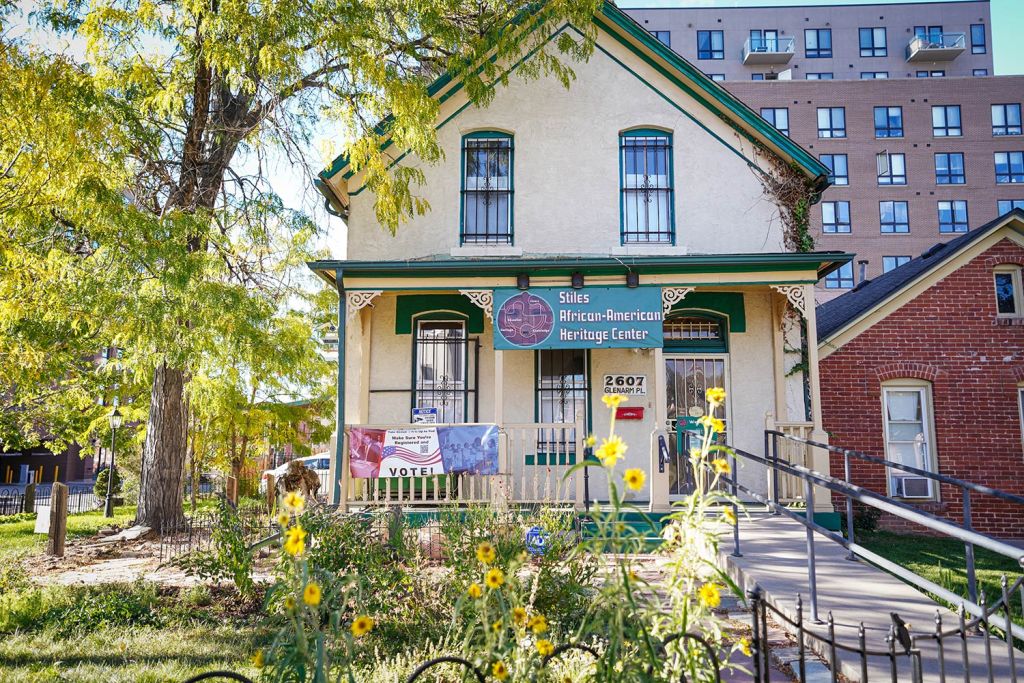
Age presents itself in different ways and Grace was confronted by dementia in her later years. Her daughter, Kala Greene took on the reins of the Stiles Center, but as a civil engineer, she is strapped for time. She is able to dedicate 2 hours on Saturday afternoons to the Center. A couple of years ago, we re-connected regarding the gardens around the Center. While two dedicated volunteers transformed the area immediately around the center, the outer gardens were a mess. Because I have an arts background, I suggested we apply for city arts funding to bring the intentions of the center into the public sphere, to which Kala gave a go-ahead, warning she knew nothing of how to craft an arts proposal.
Denver Arts and Venues awarded us a P.S. You Are Here grant to restore what is, in fact, city owned land; the space between the sidewalk and the street. While a student at East High School in the 90s, I volunteered at the center and remembered landscape companies donating a new ‘miracle’, low-maintenance approach to gardening using weed-cloth. 30 years and 3 layers of weed-cloth later, there were a few struggling bushes immersed in the worst of weeds in the ‘hell strip’ between the sidewalk and the street. We decided this was the ideal place to focus a land installation that contributed to the ecology while inviting passers-by to learn a bit of local African American lore.
The grounds became an opportunity to express history through a combination of signs interspersed with plants significant for African Americans. Grace was interested in quilt squares being used as guides along the Underground Railroad, so we make sure to welcome plants that were used to survive this journey, re-framing perceptions of ones that are often regarded as ‘weeds’. We see this as an opportunity to learn from local herbalists like Asia Dorsey who follows the wise-woman path to re-value common plants that grow easily underfoot. We chose several historical figures with ties to Denver and are collecting plants associated with their pioneering lives in the west, where they found freedom to develop their own style of entrepreneurism. For example, Madam CJ Walker used rose, violet & lavender in her products and all are bio regionally appropriate plants for this collection. Plants that make up local foodways are associated with the restauranteur, Barney Ford, and medicine plants are collected in association with the healer, Aunt Clara Brown.
When working at the pace of native plant forbs, the seed-to-seed process takes two years. A slow enough process to allow for meditation around Grace’s core values and how she expressed them. It opened space to gather a multigenerational leadership circle to carry her vision into the future. We are excited to partner with a number of local organizations to expand the Health Strips around the neighborhood, with plant identification signs that include QR links to stories of African American plant relationships.

Stiles African American Heritage Center
As a requirement to the Denver Art & Venues grant, the artwork had to be de-installed at the end of two years since the funding is for temporary visual art installations. By installing a living seed library of plants significant for African Americans, our long term ‘de-installation’ consists of dispersing the seeds of these now-established, regionally appropriate plants to neighborhood gardens to further transform area hell-strips into Health Strips. The day after we hosted our first seed dispersal, Grace passed away at age 92 on January 26th, 2025.
As with Folklife, we carry on. It is as if she has found her rest now that the seeds of her intentions have been sown, and we are now tending to the transition from mother to daughter, broadening the approach to include Kala’s passions so that the Stiles Center continues to be a cultural hub for African American Heritage in Central Denver’s Five Points neighborhood.
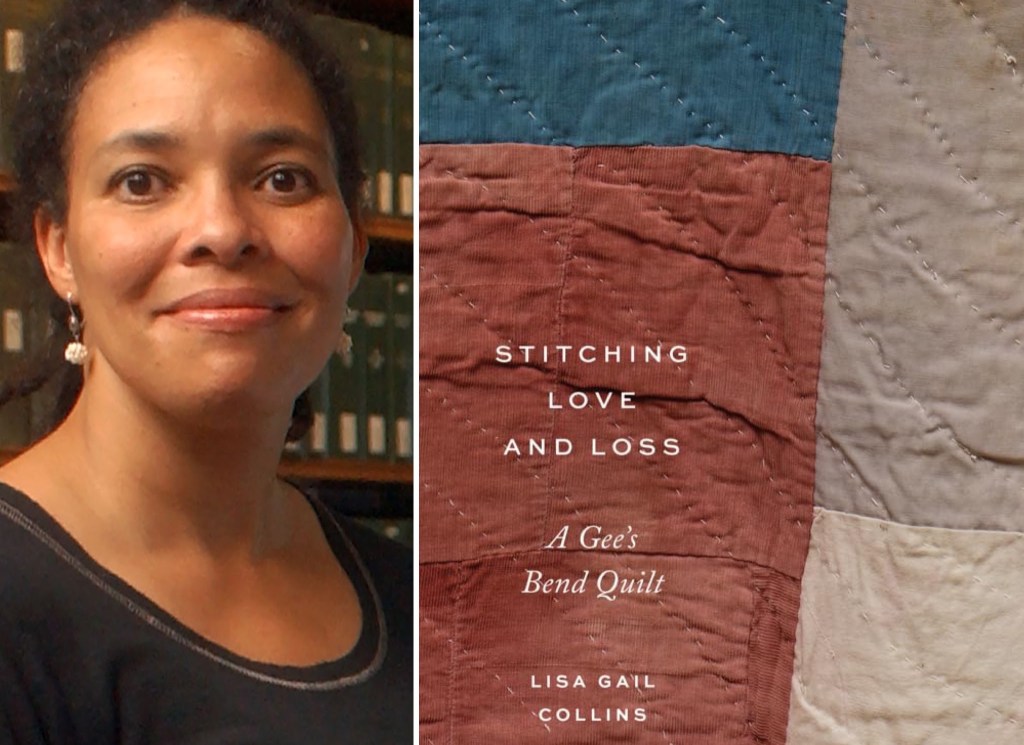
Join us for Our First Stiles Center Book Club Pick
Saturday, March 22nd, 2025 2-4pm at the Stiles Center
Habitat Library is honored to partner with the Stiles African American Heritage Center for a new book club series that will feature Black writers on topics ranging from food traditions to the Black West. First up is historian Lisa Gail Collins’ Stitching Love and Loss: A Gee’s Bend Quilt.
In 1942 Missouri Pettway, suffering from the loss of her husband at age 43, pieced together a quilt out of his worn work clothes. Nearly six decades later her daughter Arlonzia Pettway, a seasoned quilt maker herself, recalled:
“I was about seventeen, eighteen…Mama say, ‘I going to take his work clothes, shape them into a quilt to remember him, and cover up under it for love.’“
Lisa Gail Collins has stitched together a compassionate story of mothers and daughters, the processes of grief — all the while asking what role creativity has as we mourn. Along the way she also tells the story of generations of resilient black women and their families, living and working in Gee’s Bend, Alabama.

2023 FUNDING for plants in the inner gardens, expanded educational signage & compensation for a local herbalist. Native plants were purchased through the Colorado Native Plant Society. We came together as community to plant them in prepared beds in the inner gardens around the Center.

UNDERGROUND RAILROAD
Long time friend and supporter of Grace, Mable Sutton is the featured artist who developed the concept for the Stepping Stones to Freedom as part of the PS You Are Here installation. The square stones are embedded with natural materials based on quilt patterns that helped guide freedom seekers along the underground railroad. Around the stones grow plants that were used as food and medicine along the risky journey. Many of these plants are mis-conceived as weeds, and the plants invite visitors to re-cognize inherent values within plants like dandelion or amaranth.

BEAUTY
Along with seeds, we share stories rooted in historical plant relationships. Grace’s favorite reenactment character was Madam CJ Walker, the first woman self-made millionaire who developed the concept of franchise; a business framework that gave economic capacity to Black women centered around Afro Natural Beauty. After refining recipes utilizing natural ingredients including rose, violets and lavender in her products, she started her business in Five Points…figuring out how to build a solid foundation for her success while building capacity for Black women.
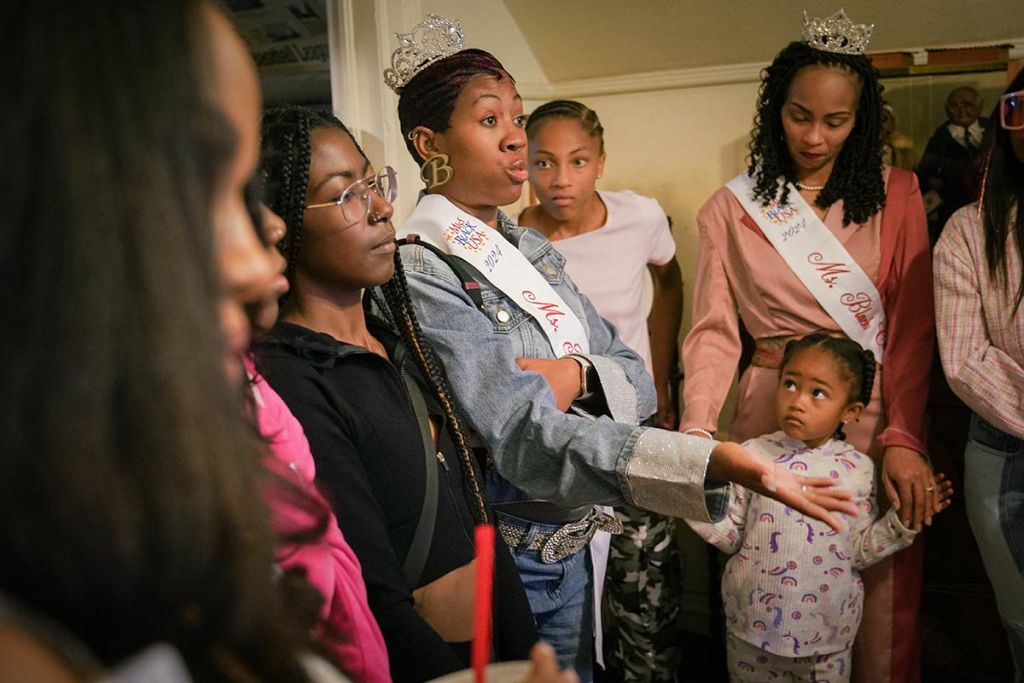
We look forward to an ongoing partnership with this multigenerational group of women to continue the discourse around how we take care of ourselves and our community.
Photo by Eboni Coleman
Grace loved hosting teas, so the gardens include an assortment of tea plants; ways of taking both herbal and social medicine. We welcome migrations of significant medicinal and culinary plants. Today, as the Stiles Center transitions leadership to Kala Greene, it is Saturday afternoons between 2-4pm you can generally find her at the Center, ready to inspire visitors with African American ingenuity.
With continued support from the People and Pollinators Action Network and collaborations with the Colorado Council of Black Nurses and the Colorado Native Plant Society, the gardens are poised to transform area ‘hell strips’ into Health Strips by providing free seed and open access information on plant relationships as well as information. Using this first garden as a catalyst, we are structuring partnerships with local museums, city authorities, herbalists and gardeners to broaden restoration sites throughout the neighborhood while sharing the significance of the plants on virtual platforms.
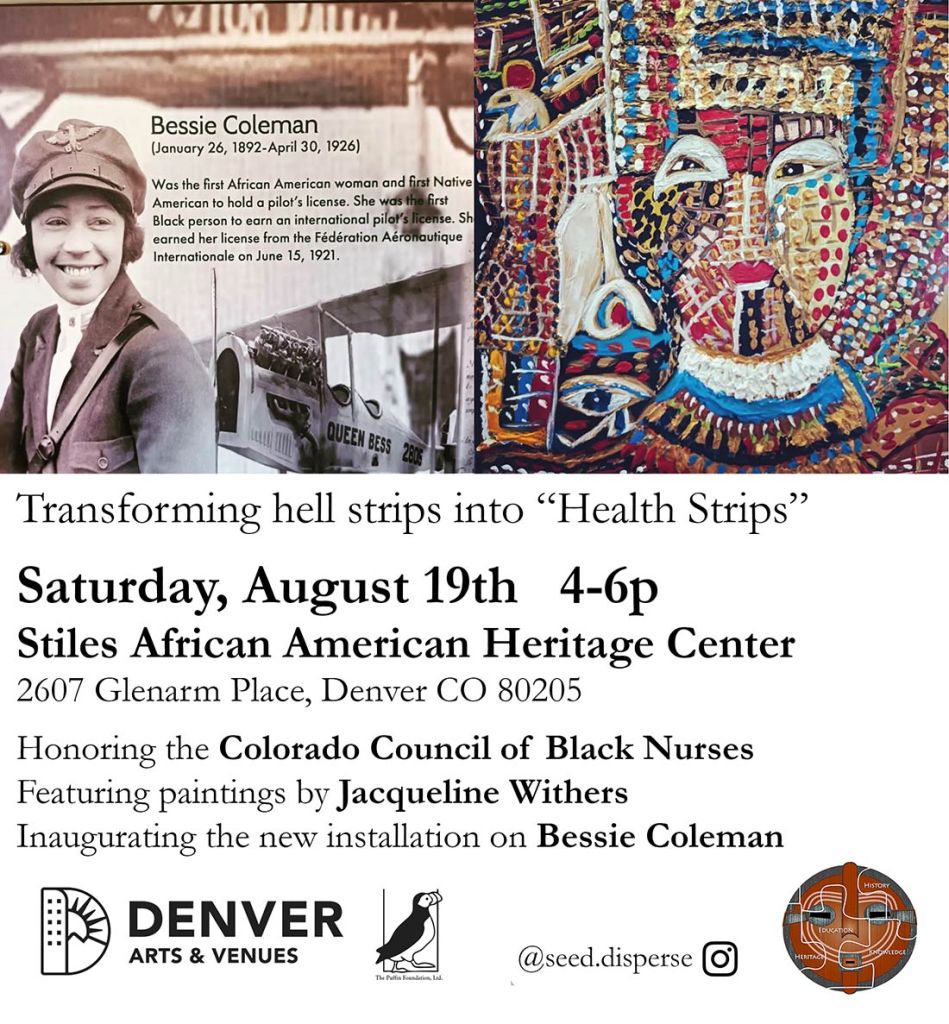
Join us in celebrating 50 years of the Colorado Council of Black Nurses!
Board member & former nurse, Jacqueline Withers will share her artwork and the new installation she helped create featuring Bessie Coleman; the first African-American woman and first Native American to hold a pilot license. Jacqueline founded the Fly Girls and Boys Bessie Coleman Denver Chapter of Take Flight Leadership Aviation as an organization that helps teach leadership and aviation skills to teens. Taking a holistic approach to health, she feels that confident, well-rounded individuals who have a strong sense of their own identity will thrive as healthy members of our communities.
Jacqueline Withers is the first of a series of community based visual artists who will install temporary works in the Stiles African American Heritage Gardens as part of the PS You Are Here grant funded by Denver’s Arts & Venues. Her site-specific garden works will be installed in the fall of 2023 and stay in place for a year. Artist talk at 4:30p
Transforming hell strips into “Health Strips”
After pulling out three layers of weedcloth last winter, we’ve opened ground to revive living soils, the foundation of life. We installed vertical stones, allowing water to penetrate deep roots of our small but growing collection of first season medicinal plants, now adapting to dry steppe conditions. This Saturday, we will sow native grass seeds to offer winter shelter for pollinators like bumble bees and butterfly larvae. We will also give away some of the abundant Russian Sage we planted with Grace Stiles thirty years ago in hopes other ‘hell strips’ may be revived into Health Strips
Colorado Council of Black Nurses

Testimonials
“A building without landscaping is like a cake with no icing.
In the midst of a concrete jungle, it is a beautiful vision to see natural indigenous plants growing at the Stiles African American Heritage Center. Please keep up the good work and sprinkle more visions of loveliness throughout Denver by supporting small neighborhood public gardens.”
Mable Sutton, featured artist who designed the Follow the Stars engagement to make cement stepping stones inspired by quilt patterns that helped guide freedom seekers along the Underground Railroad.
“Lee Lee’s artistic vision has been successfully applied via the significant upgrades she has made to the Stiles Heritage Gardens. These public right-of-way areas adjacent to the Stiles African American Heritage Center were once eyesores. Now, through the funding from the P.S. You Are Here grant of the Denver Arts and Venues, this area has a beautiful and artistically created natural area that supports native Colorado plants, improves the local ecology, provides an educational resource to the public, and highlights local Black artists.”
Nancy Stephenson, president, Stiles African American Heritage Center Board of Directors
Thank you to the ongoing partnership with the Colorado Native Plant Society – Long term science collaborator We are working together towards engaging ELK students in the National Forest Service’s wildfire restoration project that is unfolding across the west. CoNPS partners with PPAN on a series of Habitat book clubs, engages in the garden as demonstration grounds for native plants and hosts community lectures as part of their Denver chapter programming.
Talk given to CoNPS about the transformation of the Stiles Garden, spring 2024

 VOICES