
El Agua es la Vida – Water is Life
Beyond the ecological benefits flood irrigation brings to dryland ecologies, Acequias are valuable in their social structure. It is believed that water is sacred and may not be owned, but shared across the community. The people who use the water tend the water. As we face dangers of water privatization, looking towards social structures that maintain essential resource of water in the commons provides the space to keep rivers flowing, maintain functioning foodsheds and widen wildlife corridors through deserts. Acequias are a time tested solution to mitigate the desertification caused by climate change in ways that maintain the capacity of communities to thrive
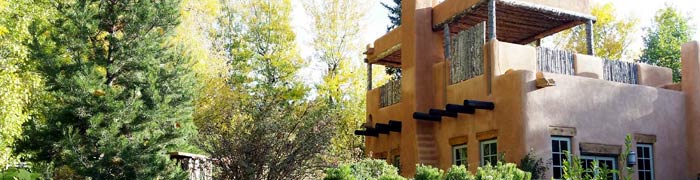
The Distillery | TAOS, New Mexico
The Taos Distillery is an historic adobe which housed a bootleg operation during prohibition. The moonshine supplied the speakeasy in the back of what is now La Fonda Hotel and was run by Vincente Mares, who tended this land at that time. It sits on the Los Lovatos Acequia, which was built over three hundred years ago. One of five active Acequia networks in Taos, it still provides water to the community through an ancient practice of water sharing. After completing extensive renovations on the home in 2012, the space continues to function as a place for the distillation of ideas and a platform to help realize restorative acts as we explore how to cultivate the high desert steppe through a combination of ancient practices and emergent technologies. SEED to table, hugelCULTURE, aquaponics, Acequias, art & ecology and native plant restoration are all themes that continue to be explored here.
Sampling of Distillery Engagements
The Taos Distillery: Storyteller Residencies & Retreats
Information on staying at our historic adobe in the Land of Enchantment
ACEQUIA: A Creature Conserve Mentorship
Creating Sci-Art Pathways for Conservation 2024
Transforming Thistle – Daniela Jules Garza transforms the prickly plant into tea & art
A Year in Grandpa’s Garden
Follow Thatcher and grandpa as they cultivate the Distillery gardens through an entire season
Secret Supper Club: Pop up dinners in the garden with the Cooking Studio Taos
Clippings
An Artful Adventure in Sustainable Living by Lyn Bleiler | Eco Source Magazine
artists’ diaries: The Tales of Thatcher Gray – A Year in Grandpa’s Garden | edible
Extreme Backyard Gardeners | edible Santa Fe – Albuquerque – Taos
Fieldworks
Neo Rio | Pollinators Plants & People
OCHO | Printmaking with Plants
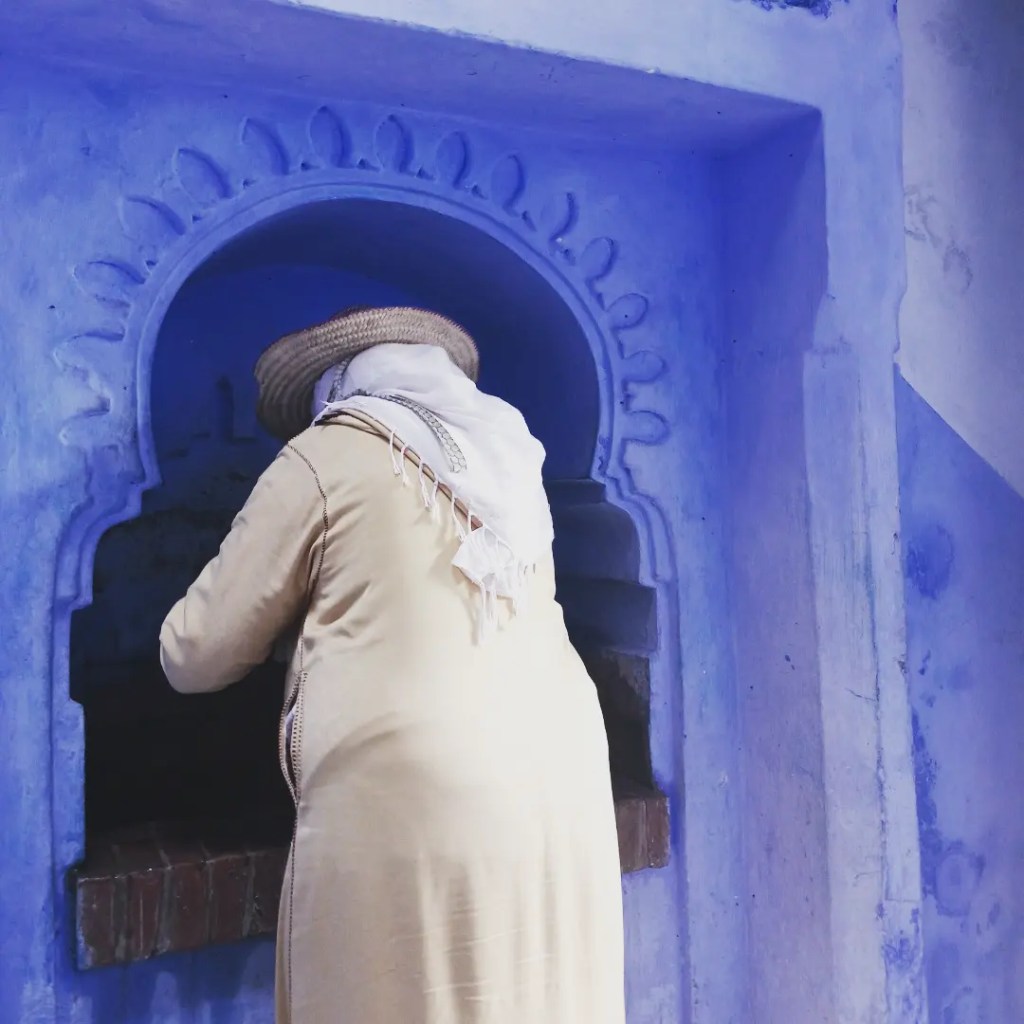
Green Olive Arts | Tetouan, Morocco
2022 Residency exploring the roots of Acequia practice in the Rif
This residency provided the opportunity to explore origins of Acequias. Having adapted systems that originated in Persia four thousand years ago, Moroccans built sequias throughout the Atlas and Rif Mountains. Upon establishment of alAndalus on the Iberian Peninsula in the 9th century, they built the same systems as part of their farm networks. After the Spanish pushed Andalusians back into Northwestern Africa, they recognized the benefit of flood irrigation to amplify the water tower effect offered by mountain hydrology to broaden alluvial plains through dry steppe ecologies in order to cultivate the desert. The Spanish kept the systems in place, and eventually carried these methodologies to the Americas to install or broadened indigenous systems though the Andes, Patagonia, Mexico and the desert Southwest.
EXPLORE the Rif
Walk up the Zarka Valley to see verdant farms thriving despite the mid summer heat
Urban Farm utilizing Acequias along the Martil River below Tetouan
Printmaking at Green Olive Arts using plants sourced on our walks

The community of Letur tends Acequias that function both socially and ecologically.
AADK | Blanca, Spain
2023 Residency exploring Acequias in the Sagura watershed
Blanca sits on the Sagura river and is located in an area known as the ‘huerta’ or gardens of Europe for the long tradition of growing a wide array of produce. It was the last Muslim stronghold before they were pushed back into Morocco in the 15th Century. They left their mark on the landscape with extensive networks of Acequias throughout the Sagura watershed. A residency at AADK explores the range of water use in the valley; from functional community networks to the privatization of water to the exploitation of aquifers.
Acequia installation at AADK in La Huerta of Spain
Eco-printing with rust-activated water in the hot, mid-summer sun
Abandoned Acequia lay like bones across fallow fields above Blanca. Surprisingly pollinators abound where they are absent from actively cultivated fields below.
 VOICES